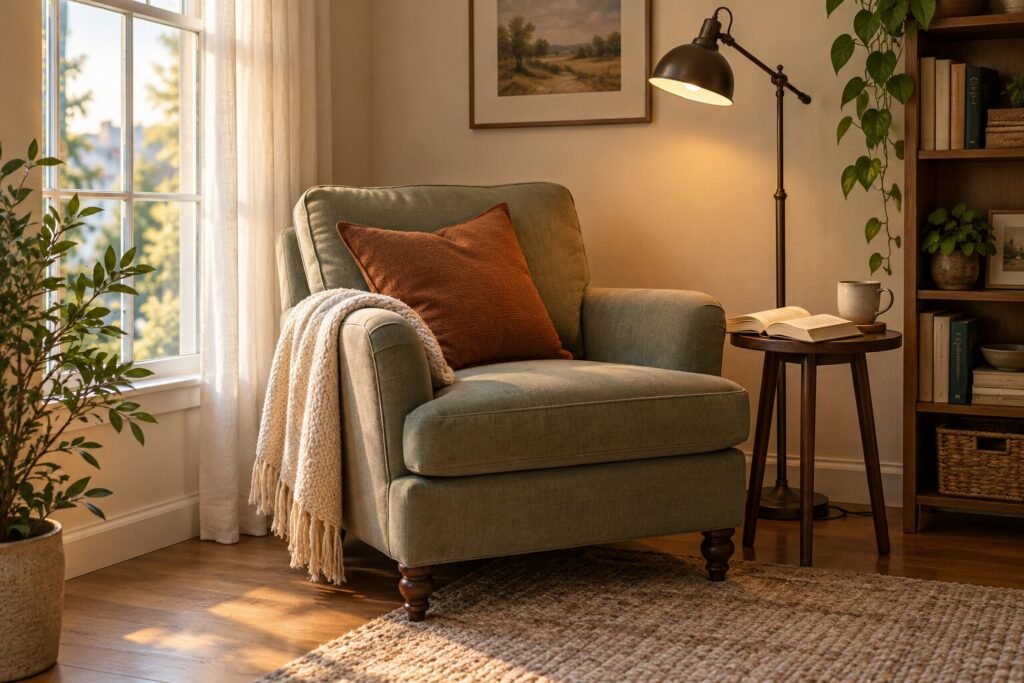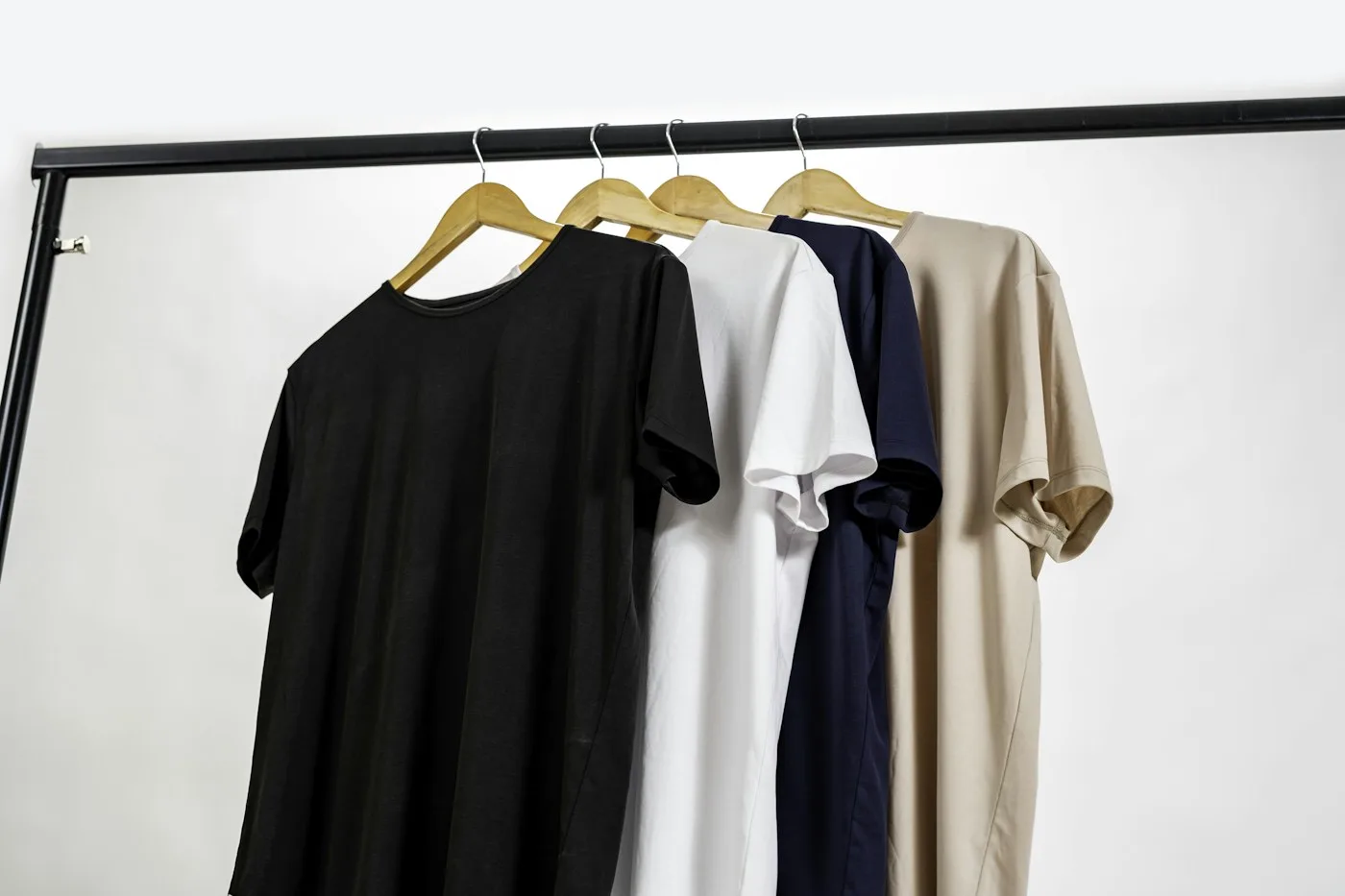
Photo: Or Hakim / Unsplash.
A capsule wardrobe should make getting dressed easier. It can be colorful, flexible, and full of personality—and it does not need a perfect number of pieces.
In this story Jump to a section +
Think of a capsule as a group of clothes that work well together for a particular part of your life. It might cover a workweek, a season, or a trip. It does not have to include every item you own. Occasionwear, exercise clothes, and sentimental pieces can sit outside it without making the idea less useful.
Start with your week, not a shopping list
Write down the places you actually go. If most days involve a desk, errands, and a walk, those activities deserve most of the wardrobe space. A collection built around formal outfits will not help if you rarely wear them. Add the weather you expect and any practical requirements, such as covered shoulders at work or shoes that handle a long commute.
Choose a manageable timeframe. Planning for four weeks of similar weather is often easier than trying to solve an entire year. You can change the selection as your routine changes.
Pull out the pieces you already trust
Start with five to eight things you wear willingly. Notice what they have in common: a neckline, a roomy sleeve, a trouser rise, or a fabric that washes well. These details tell you more about your preferences than a general style label.
Try each piece on before committing it to the capsule. Check whether you can sit, reach, and walk comfortably. Put repairable items in a separate pile and give them a specific next step. A missing button is not a reason to replace a shirt if a small repair would bring it back into use.
Choose a connected palette
A connected palette is different from an all-neutral wardrobe. Select two or three base colors you already own, then one or two accents you enjoy wearing. Navy, cream, and denim could sit alongside red; chocolate, black, and olive could include pink. Prints can connect the colors for you.
Lay the garments next to one another in daylight. If a piece works only with one other item, that is useful information, but it does not automatically disqualify it. A favorite patterned dress may be worth keeping simply because it is an easy outfit on its own.
Use a flexible starting framework
The following is a planning aid, not a target you have to reach. Your laundry routine and climate may call for more tops, fewer layers, or an entirely different mix.
- Four to six tops: a combination of everyday tees, shirts, or knits.
- Three bottoms: perhaps denim, a relaxed trouser, and a skirt—or three different trousers.
- One or two layers: a cardigan, light jacket, or coat suited to the weather.
- Two pairs of shoes: comfortable options for your main activities.
- Optional one-piece outfits: a dress or jumpsuit if you enjoy wearing them.
Build outfits before filling gaps
Make at least two combinations with each main bottom. Photograph the combinations, including the shoes. This reveals whether a new item would solve a real problem or simply repeat something you already have. If several outfits need a plain layer underneath, that is a stronger gap than a jacket you like in a picture but cannot place in your week.
Accessories can change the mood without changing the whole outfit. A scarf, belt, or necklace may already give you the variety you want. Keep the pieces you use accessible rather than storing them so carefully that you forget they exist.
Plan for laundry and care
A wardrobe is only useful when its pieces are available. Check the care labels and notice how often you wash clothes. If every top needs special treatment, a small capsule may make your routine harder. Include enough washable basics for the time between laundry days and let delicate items play a smaller role.
Try it for a week, then adjust
Keep a note of what you wore and what you avoided. Was a top uncomfortable, or did the weather simply change? Did you need a second pair of everyday shoes? Make one adjustment at a time. There is no need to discard the rest of your wardrobe or buy a matching collection to make the experiment valid.
When you want more combinations, use our fall outfit formulas as a prompt. The aim is a wardrobe that gives you more useful choices with less morning effort.
Have a question or spot a detail we should correct? Contact the editor. Back to the beginning ↑
Illustrative stock photography by Or Hakim on Unsplash, used under the Unsplash License. Read our editorial policy.