Photo: Laura Chouette / Unsplash.
A good fall outfit starts with the day you actually have planned. These seven formulas leave room for your weather, your wardrobe, and your own way of dressing.
In this story Jump to a section +
When the seasons change, it is tempting to treat your wardrobe as a shopping list. A more useful starting point is to make a few combinations from what is already there. Pull out the trousers you reach for most, one comfortable pair of shoes, and the outer layer that suits your local forecast. Then use the ideas below as starting points rather than rules.
Each formula has a simple structure: a base, a layer, and one finishing detail. Swap colors, lengths, and fabrics until the combination feels comfortable. There is no ideal body shape for any of these looks, and no requirement to buy every piece.
1. Straight-leg denim + a soft knit + loafers
Start with denim that lets you sit and walk comfortably. Add a fine or medium-weight knit, then choose loafers, ballet flats, or clean sneakers depending on your day. If the top feels bulky at the waist, try a small front tuck or leave it loose and choose a shorter outer layer. Neither option is more correct; they simply create different proportions.
For a quiet palette, combine dark denim with oatmeal or charcoal. A burgundy bag, printed scarf, or colorful sock can be the detail that makes a familiar combination feel new.
2. Wide-leg trousers + a tee + an open shirt
This is a useful formula for the first cooler days, especially when afternoons are still warm. A cotton tee gives you a simple base, while an open shirt adds a light layer you can remove. Let the shirt cuff sit casually or roll it once. Before leaving, check that the trouser hem clears the ground in the shoes you plan to wear.
Try olive trousers with a cream tee and a blue shirt, or keep all three pieces within one color family for a softer transition between them.
3. A knitted dress + a relaxed coat + ankle boots
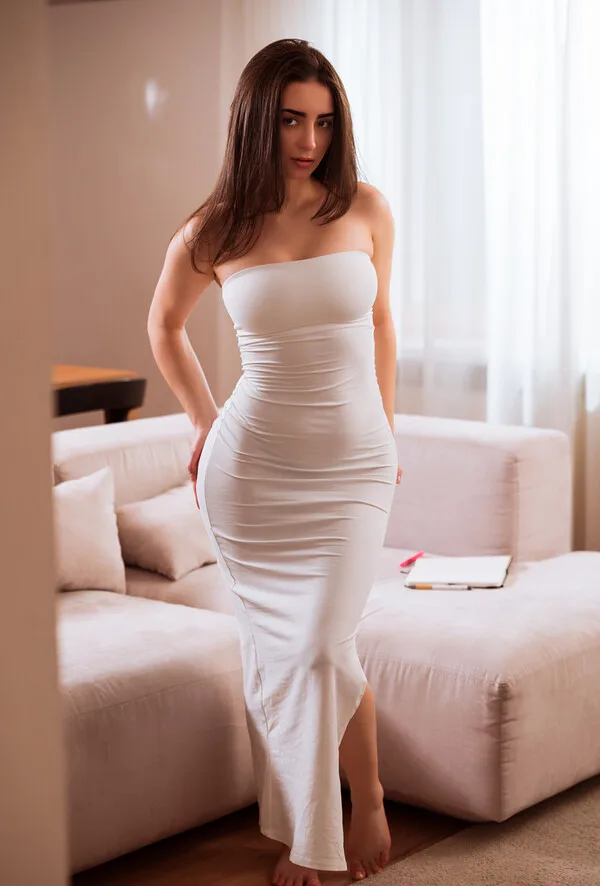
A knitted dress makes an outfit with very few decisions. Pick the length and amount of stretch that suit you, then layer a coat over it without fastening it too tightly. Flat boots are as useful here as heels. If the dress catches on tights, a slip may make the layers move more easily.
In a warmer climate, switch the coat for an unstructured overshirt. You keep the feeling of the outfit without dressing for a temperature you do not have.
4. A midi skirt + a simple sweater + sneakers
Mixing a flowing skirt with a plain knit creates a comfortable balance of textures. Wear the sweater loose for an easy silhouette, or tuck a little of the front if you want the waistline to show. A jacket that ends above or below the skirt’s widest point will change the overall shape; a mirror check is more helpful than a fixed length rule.
5. Tonal separates + one contrasting accessory
Choose two or three related shades: cream with sand, chocolate with camel, or charcoal with black. They do not need to match exactly. In fact, different textures often make a tonal outfit more interesting. Add a scarf, bag, or pair of shoes in a contrasting shade you enjoy. Repeating that accent in one small place can make it feel intentional.
6. A familiar dress + a cardigan + flat shoes
Before putting away a warm-weather dress, try adding a cardigan. A buttoned cardigan can function like a top; an open one keeps the original dress visible. Add tights only if the temperature calls for them. This formula works particularly well when you want to keep wearing a favorite print without buying a new seasonal version.
7. Comfortable trousers + a sweatshirt + a structured layer
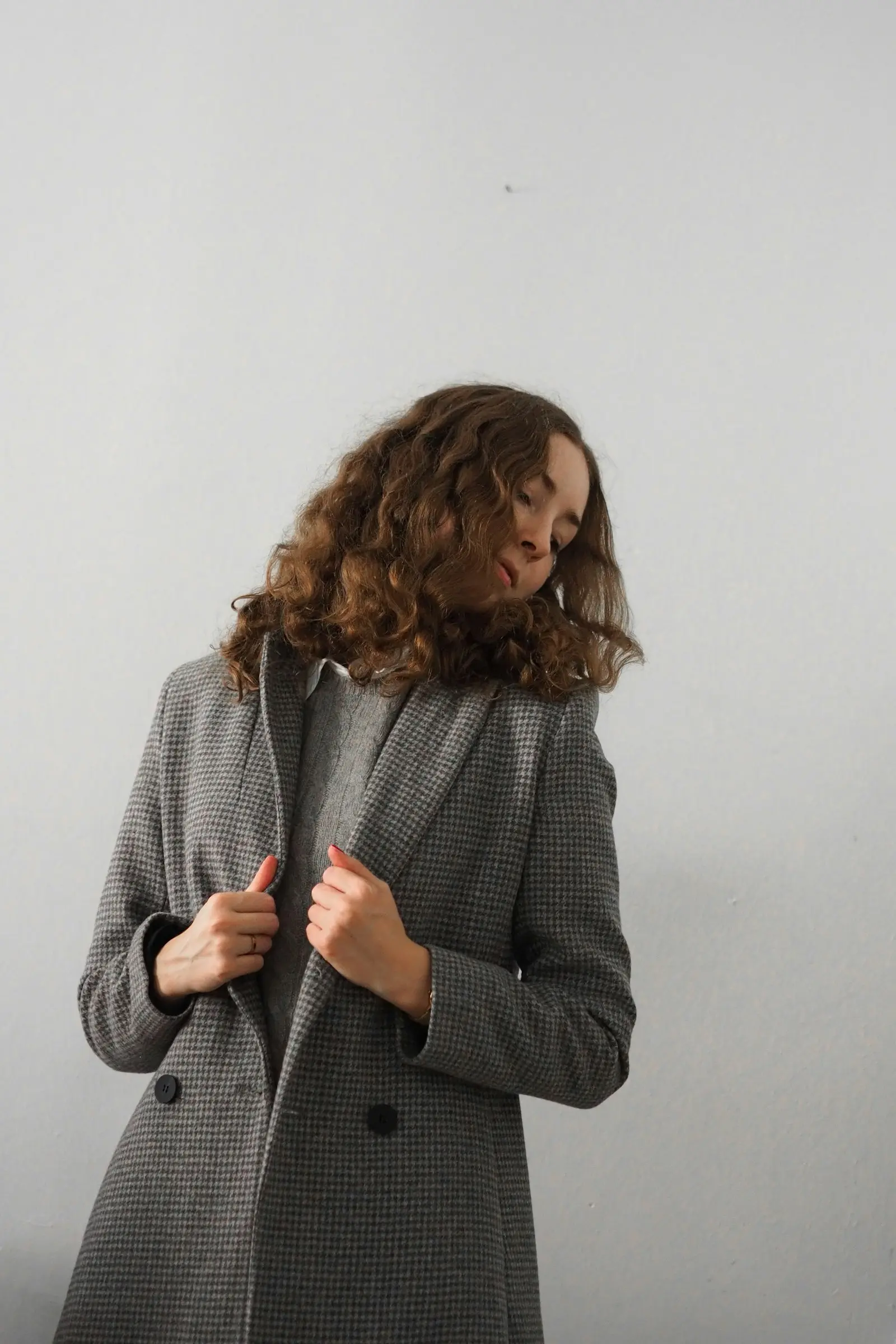
A sweatshirt and trousers can look considered when the outer layer provides a clear shape. Try a trench, a denim jacket, or an unlined blazer. Keep the shoulder movement comfortable, especially if the sweatshirt is thick. A small bag and a clean pair of everyday shoes are enough to finish it.
Make a three-outfit plan before you shop
Choose three formulas from this guide and lay out the actual pieces. Take a quick photo of each combination so you can find it again on a rushed morning. If one outfit needs a missing item, write down its function first: a lighter layer, comfortable closed shoes, or a bag that carries your essentials. That description is more useful than buying a trend without a purpose.
For a smaller set of pieces that work together, start with our small capsule wardrobe guide. For the finishing details, explore how to layer necklaces.
Have a question or spot a detail we should correct? Contact the editor. Back to the beginning ↑
Illustrative stock photography by Laura Chouette on Unsplash, used under the Unsplash License. Read our editorial policy.